
Low-Impact Exercise

Swimming is a low-impact, non-weight-bearing activity, making it an excellent form of exercise for people of all ages and abilities. The buoyancy of water supports the body and reduces stress on joints, muscles, and bones, making swimming particularly beneficial for those recovering from injury, managing arthritis, or looking for a gentler alternative to land-based exercise.
Full-Body Strength Development
Water provides natural resistance in every direction, meaning every stroke works multiple muscle groups simultaneously. Swimming helps develop strength in the arms, legs, core, shoulders, and back, whilst improving muscular endurance and overall fitness.
Improved Cardiovascular Fitness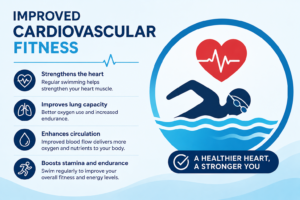
Swimming is an excellent cardiovascular workout that strengthens the heart and lungs. Regular swimming can improve endurance, circulation, and aerobic fitness whilst helping individuals achieve the recommended levels of weekly physical activity. Check out what the British Heart foundation say about swimming: British Heart Foundation
Increased Flexibility and Mobility
Swimming involves moving joints through a wide range of motion, helping to improve flexibility, mobility, and posture. The support provided by the water allows movements that may be difficult on land, particularly for older adults or those with mobility limitations.
Weight Management
Swimming can be an effective way to support a healthy weight when combined with a balanced diet. Depending on the intensity and stroke used, swimming can burn a significant number of calories whilst building muscle and improving overall fitness.
Physical and Mental Wellbeing
Swimming has been shown to improve mood, reduce stress, and support mental wellbeing. The rhythmic nature of swimming, combined with the calming effects of being in water, can help reduce anxiety and promote relaxation. Many swimmers also report improved sleep quality and increased feelings of wellbeing.
Supporting Long-Term Health
Regular physical activity, including swimming, plays an important role in maintaining good health and can help manage or improve conditions such as diabetes, heart disease, and arthritis when undertaken as part of a healthy lifestyle.
Social Benefits
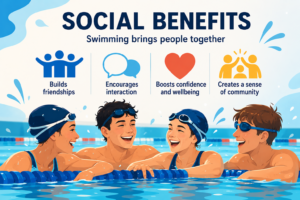
Swimming is a fantastic way to meet new people, build friendships, and become part of a supportive community. Whether attending lessons, swimming with family and friends, or training as part of a club, swimming encourages social interaction and can help boost confidence both in and out of the water.